
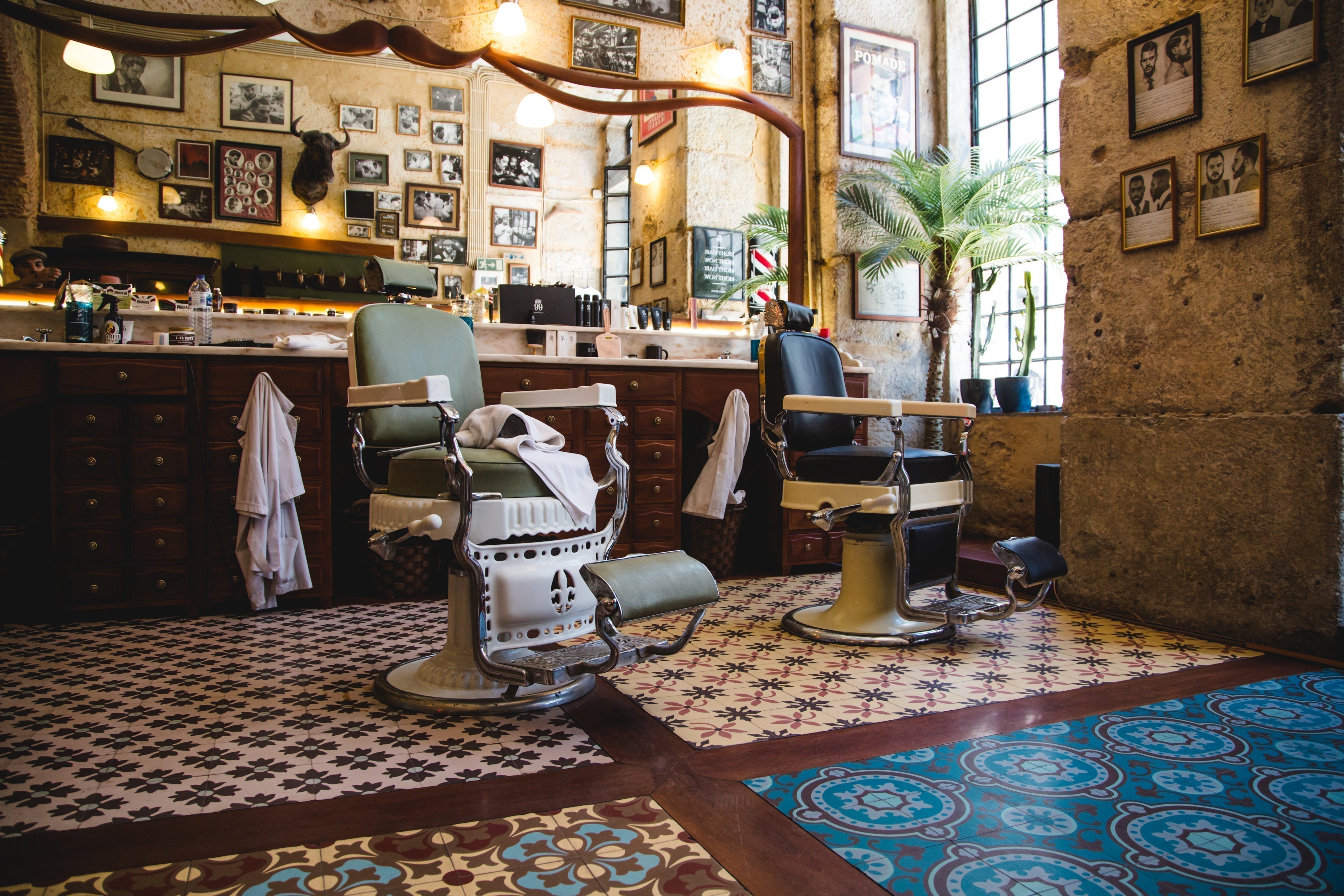
A great barber is only as good as their tools. Sharp shears, reliable clippers, the right comb for the job - these aren't luxuries. They're the difference between a cut your client raves about and one they never come back for.
Think of this as your complete essential barber tools checklist for 2026. Whether you're stocking your first barber shop equipment, refining a mobile kit, or upgrading tired equipment, the lineup you choose defines the work you produce. This guide walks through every tool a professional barber needs -from clippers and shears to capes, combs, sanitation, and the supporting products that keep your station running - with real-world price ranges and a stage-by-stage plan for building your kit without overspending.
At Gentlemen Republic, we build tools for barbers who take their craft seriously. Here's the complete list.
Quick Summary
The core essential barber accessories are clippers, trimmers, shears, a straight razor, combs, capes, and a full sanitation setup.
On cost: a solid starter kit runs about $500–$800 for the essentials, while a complete professional setup with backup tools and a full product lineup typically reaches $1,000–$2,000.
This guide is for working barbers upgrading their gear, barber students building a first kit, and new shop owners stocking a station. And if you want the fastest way to start, our Backpack 2.0 Bundle packs the core tools into one organized, travel-ready setup.
Why Your Tools Matter
Your tools are the foundation of every service you offer. Quality equipment cuts cleaner, runs longer, and lets you work faster - which means more clients in the chair and fewer callbacks. Cheap gear does the opposite: it drags on thick hair, dulls quickly, irritates skin, and quietly costs you the repeat business that keeps a shop alive.
Investing in the right barber supplies isn't about having the most expensive station. It's about choosing equipment you can rely on, cut after cut, for years. The rest of this guide breaks that lineup down piece by piece.
Clippers & Trimmers - The Workhorses of Every Cut
Clippers and trimmers are the heart of any barber kit. They handle most of the work, so quality matters more here than anywhere else on your station.
Professional clippers
Handle bulk hair removal, fades, and overall shaping. Look for adjustable blades, a powerful motor that won't bog down on thick hair, and reliable battery life if you go cordless. Our Essence Professional Clipper is built for back-to-back appointments without overheating. Expect to pay $40–$200+ for a quality professional set, depending on motor type and whether it's cordless. One quick spec check before you buy: prioritize a brushless or high-torque motor, an adjustable taper blade, and - for cordless - at least 90 minutes of runtime with fast charging. Those three specs separate a pro-grade clipper from a home unit.

Take over for line-ups, edging, beard work, and clean necklines. They're smaller, more precise, and built for high-detail work. The Precision Pro Trimmer is the go-to for sharp edges and definition, and usually runs $40–$100.

Replacement blades
Replacement blades are non-negotiable. Dull blades pull hair, irritate skin, and ruin cuts. Keep trimmer replacement blades on hand and swap them on a schedule, not when they finally fail mid-cut.

Shears & Razors
Machines do the bulk. Shears and razors do the detail, definition, and finish that clients actually notice.
Cutting shears
Cutting shears are essential for scissor-over-comb work, layering, and texturizing. Every barber needs at least one reliable pair. Our Classic Barber Shears hold a sharp edge and balance well in the hand. Prices run anywhere from $10 to $600 - and that spread is real. Entry-level shears work when you're starting, but high-carbon steel professional shears hold their edge far longer and reduce hand fatigue over a full day.

Thinning shears
Thinning shears remove bulk without altering length - critical for thick hair and texturizing work. Most barbers eventually own a second pair dedicated to this purpose.
Straight razors
Straight razors deliver the close shave, sharp lines, and detail work that machines can’t replicate. Our Classic Barber Straight Razor in black wood is a workhorse — and offering straight-razor shaves sets your shop apart from competitors that only do machine work.

Razor holders
Razor holders keep blades secure between uses and out of the way during cuts. The Black Clutch Razor Holder protects both your blades and your client.
Combs for Every Cut
You’ll go through more combs than any other tool. Each type has a specific job.
Cutting combs are your daily driver - used for scissor-over-comb work, sectioning, and general styling. The Universal Comb handles most of what comes up on the chair.

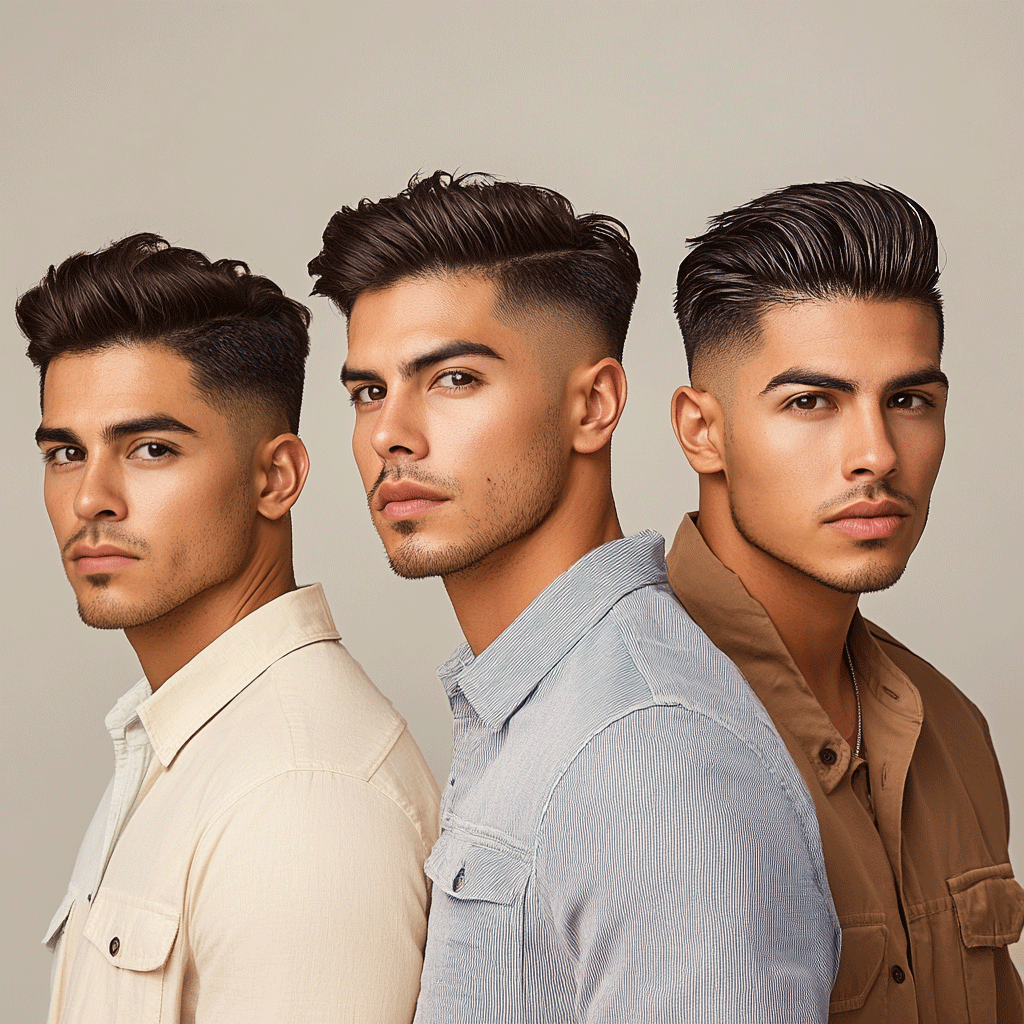
Fade combs are designed specifically for blending: short teeth on one side for tight tapers, longer on the other for smoother transitions. Our Fade Comb is built for the fades that define modern men’s cuts.
Taper combs help with neckline blending and shorter hair work. Our Taper Comb is narrower than cutting combs and easier to control on tight areas.
Styling combs are for finished work - distributing product, shaping pomade through hair, and parting clean lines. Stock multiples of each: they wear, get dropped, and rotate through sanitization.
One thing experience teaches you fast: stock multiples of each. They wear, get dropped, and rotate through sanitation. Running out mid-shift is a rookie mistake.
Sectioning & Styling Brushes
Sectioning makes your job easier. Brushes make the finish cleaner. Expect to spend roughly $5–$30 per brush or clip set.
Hair clips hold hair out of your way during sectioning and complex cuts. The Hair Clip Set is essential for layered or longer cuts where you need to work in stages. The best hair clippers for men are alligator/crocodile clips, matte metal or acetate claw clips, fringe clips, or snap clips.
Hair grippers are smaller and more discreet - perfect for fine sectioning and quick holds during detailed work.
Vent brushes speed up blow-drying because hot air flows directly through the brush. The Vent Brush is perfect for daily styling work.
Round brushes give you control over direction and volume during blow-dry styling. The Round Brush handles everything from smooth side parts to volumized quaffs.
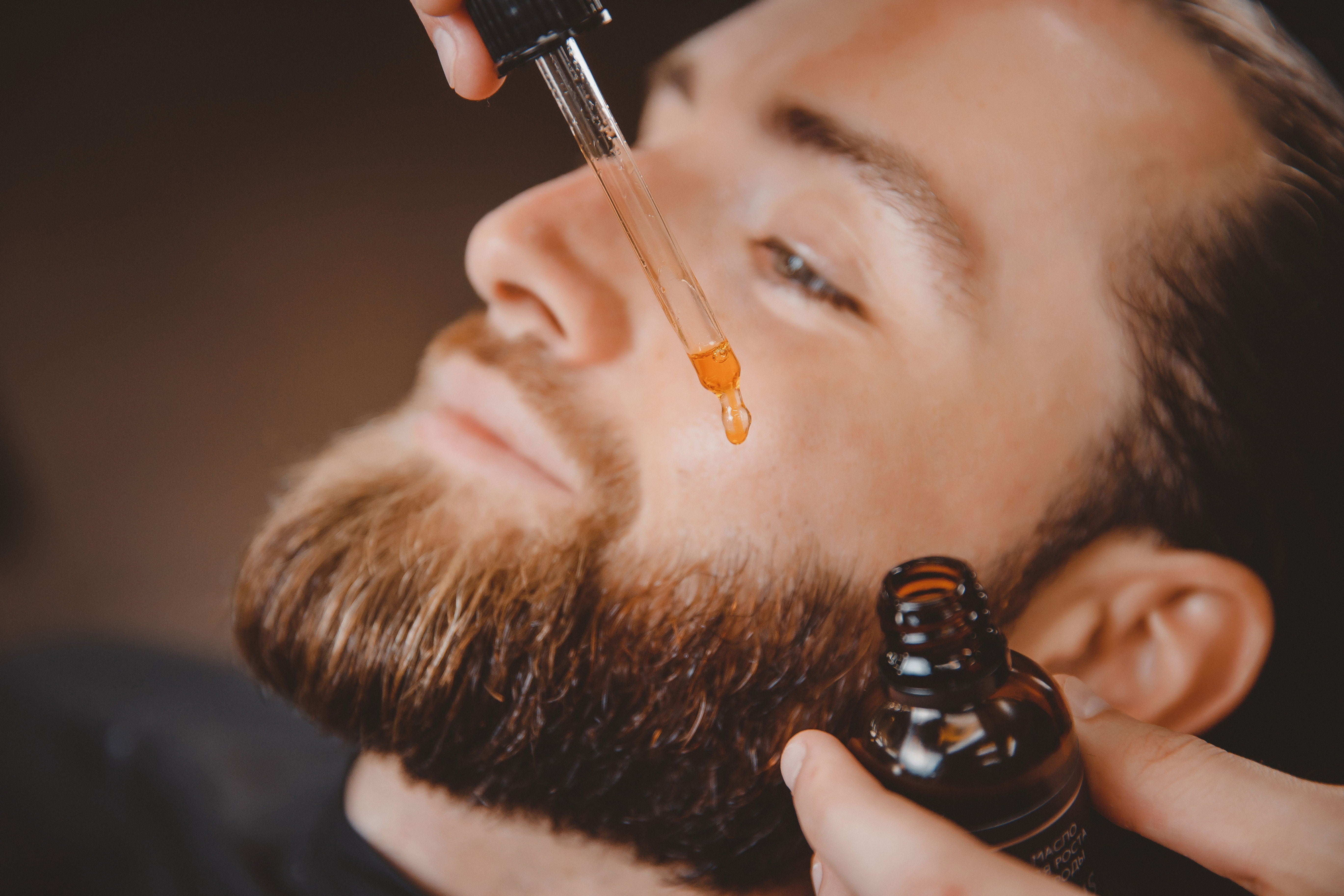
Beard brushes distribute beard oil evenly and shape facial hair. The Beard Brush should be part of any complete service for bearded clients.
Client Protection & Comfort
Comfort and cleanliness aren't optional - they define the experience clients remember.
Barber capes protect clients’ clothing and create a professional touch. Look for waterproof, easy-to-clean materials, and expect to pay $5–$30 for a quality one like our Barbers Cutting Cape holds up to daily use without falling apart.
Neck dusters remove loose hair clippings at the end of every cut. The Neck Duster is one of those small tools that signals professionalism - clients notice when you skip it.
Mist spray bottles keep hair damp for cutting. A consistent fine mist beats heavy spraying every time. The Mist Spray Bottle delivers even coverage without over wetting.
Mirrors let clients see the work from every angle. Quality hand mirrors at every station are standard practice - and a large mirror at each cutting station is non-negotiable.
Shaving & Aftercare Tools
If you offer shaves, the supporting products matter as much as the razor.
Shaving gel creates the barrier between razor and skin that prevents irritation. Our Shaving Gel delivers smooth glide and a clean shave every time.
After shave soothes and disinfects post-shave - the traditional close of a barbershop shave. Our After Shave is formulated to calm skin without the harsh sting most drugstore options leave behind.
Client skin care is the upsell most barbers miss. Stock a face moisturizer and cleansing face bar on the station - clients buy them after their service if you make them visible.
Hot towels round out the shave experience. Always pair shaving services with proper aftercare; clients remember the finish more than the cut itself.
Styling Products to Keep on Your Station
Every barber station needs a full range of styling products. Different clients want different finishes - stock for all of them.
Pomades are the daily go-to, so keep a range: Classic Pomade for medium hold and shine and daily versatility, Stiff Pomade for strong hold on thick or unruly hair, Sleek Pomade for high shine on polished structured styles, and Matte Pomade for a matte finish on textured, modern looks.
Hair gel handles wet-look and high-hold styles, and our Refined Gel skips the harsh alcohols and dries softer than drugstore options. Sea salt spray is essential for any textured, lived-in look - the Texturizing Sea Salt Spray adds volume and natural texture without weight.
Workspace & Mobility Essentials
Your workspace either makes you efficient or wastes your time.
A Station organizer keeps your tools sorted and within reach. The Station Organizer eliminates the constant searching that slows appointments down. A Work station mat protects your station from product spills and clipper damage. The Work Station Mat is one of those upgrades you don’t realize you needed until you have it. Portable backpack is essential for mobile barbers or anyone traveling between shops. Our Barber Stylist Backpack holds a full kit organized - clippers, trimmers, combs, capes, and products.
Sanitation - The Non-Negotiable Standard
Sanitation isn’t a luxury. It’s the foundation of legal, professional service. Every barber needs:
• EPA-registered disinfectant (Barbicide or equivalent) for combs, brushes, and non-electric tools
• Disinfectant spray for clippers between clients
• Disinfectant jars at every station
• Fresh towels and neck strips for every client - never reused
• Sharps container for safe disposal of used razor blades
Health code violations close shops. Build sanitation into your routine, not as an afterthought - clients notice a clean station, and inspectors notice an unclean one.
Where to Buy Your Barber Tools
Once you know what you need, the next question is where to get it. You've got four main options.
Buying direct from a specialist brand like Gentlemen Republic is the best route for professional-grade tools built specifically for barbers , not repackaged consumer products. Barber supply stores are convenient for one-stop restocking, though selection and quality vary. Online retailers and marketplaces give you the widest selection and easy price comparison, but read the specs carefully - cheap listings often cut corners on motor quality and steel. And wholesalers become worth it once you're buying in volume for a full shop.
The rule that holds across all four: buy quality on the tools that touch every client - clippers, trimmers, and shears. You can save on furniture, mats, and accessories.
Building Your Barber Kit: The 3-Stage Framework
If you're starting, don't try to buy everything at once. Build in stages so you can invest in quality on each piece.
Stage one is your core kit, around $500–$800: clippers, trimmers, one set of shears, a straight razor, basic combs, a cape, a neck duster, a mist spray bottle, and a few essential styling products. That's everything you need to take paying clients.
Stage two is your detail kit, around $300–$500: specialty combs like fade and taper, thinning shears, hair clips, brushes, and a station organizer. This is where your work gets sharper, and your range expands.
Stage three is the full station, around $600–$1,000: a mobile backpack, an expanded product lineup, premium accessories, sanitation supplies, and dedicated mirrors at every station.
All in, a complete professional setup runs roughly $1,000–$2,000 - well within the industry range for a fully equipped working barber. For anyone building a mobile or travel-ready setup, our Backpack 2.0 Bundle covers the core in a single organized package, ready to roll.

Frequently Asked Questions
What are the most essential barber tools?
The core essential barber tools every professional needs are clippers, trimmers, shears, a straight razor, combs, capes, and a full sanitation setup. These form the foundation of daily barber services, and everything else builds on top of them.
What tools does a beginner barber need?
A beginner should start with a core kit: a reliable clipper, a detail trimmer, one set of shears, a straight razor, a few basic combs, a cape, a neck duster, and a mist spray bottle - plus disinfectant and neck strips for sanitation. You can add specialty tools as your skills and client base grow.
How much does it cost to build a barber kit?
A solid starter kit runs $500–$800 for the essentials. A complete professional setup with backup tools and a full product lineup typically reaches $1,000–$2,000. Building in stages lets you invest in quality on each piece rather than buying everything cheap at once.
What's the difference between clippers and trimmers?
Clippers handle bulk hair removal, fades, and overall shaping. Trimmers handle detail - line-ups, edging, and clean necklines. They're not interchangeable: using a clipper for line-ups gives sloppy results, and using a trimmer for full cuts takes forever. A professional needs both.
What size shears do barbers use?
Most barbers use 6- to 7-inch shears for general cutting, with a separate pair of thinning shears for texturizing and removing bulk. Blade length comes down to preference and technique, but a 6.5-inch pair is a versatile all-round starting point.
How often should I replace barber tools?
Clippers and trimmers last 2–3 years with regular blade changes. Shears last 5–10 years if maintained well. Blades should be swapped on a schedule before they dull. Combs and brushes get replaced as they wear or break.
How do barbers keep their tools sanitary?
Barbers disinfect non-electric tools like combs and shears in an EPA-registered solution such as Barbicide, spray clippers with disinfectant between clients, and use fresh towels and neck strips for every client. Used razor blades go into a sharps container. Proper sanitation is both a legal requirement and a mark of professionalism.
What's the best clipper for fades?
The best fade clipper has an adjustable taper blade, a high-torque or brushless motor that won't bog down, and enough runtime for back-to-back appointments. Our Essence Professional Clipper is built specifically for the control and consistency that clean fades require.
Should I buy new or used barber equipment?
Buy new for clippers, trimmers, and shears - they last longer with proper original care, and you know their full history. Used can work for capes, mats, and furniture if the condition is good.

Share:
How to Use Sea Salt Spray for Men: Step-by-Step Guide